
How to clean a gas oven without damaging the igniter
A step-by-step guide to cleaning your gas oven without frying the igniter - safe methods, what to avoid, and when to call a Rome GA oven tech.
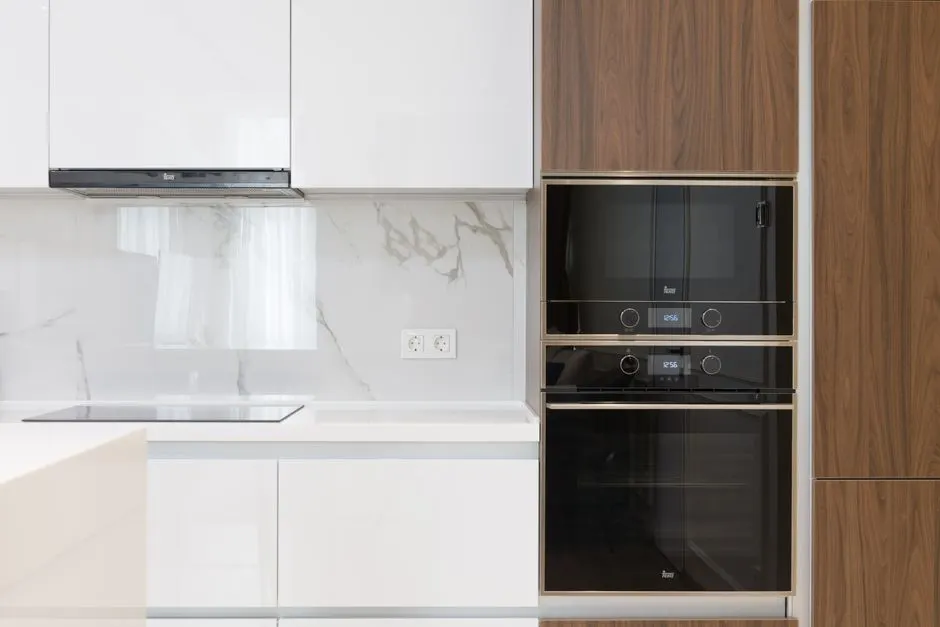
The safe way to clean a gas oven without damaging the igniter is to keep liquid away from the igniter and broiler burner, never run the self-clean cycle on a weak igniter, and use only a paste of baking soda and water on the oven floor. In Rome, Georgia, the two most common igniter killers we see are self-clean cycles on 15-year-old ovens and spray cleaner pooling in the burner well. This guide walks you through the exact steps our technicians use, the products to avoid, and the point where cleaning turns into a repair call.
If you would rather hand the whole job to someone who has pulled hundreds of igniters out of Rome ovens, our team handles Gas Oven Repair Rome GA every week - cleaning, testing, and replacing parts in one visit.
Why the igniter is the part most homeowners damage
The igniter is a small, brittle ceramic-and-metal probe that sits directly in the path of everything you spray, pour, and scrape during a normal oven cleaning. On most Whirlpool, GE, Frigidaire, and Kenmore gas ovens, that igniter glows orange at roughly 1,800°F to light the bake burner - and it costs $180 to $340 to replace in the Rome area in 2026 once you add the part and labor.
Three things kill it. First, thermal shock: a self-clean cycle pushes the oven cavity to 850-900°F, and an igniter that was already weak from age often fails the next time you bake. Second, moisture: spray cleaner or a wet rag dripping onto a hot igniter cracks the ceramic housing. Third, physical contact: scrubbing the burner well with steel wool or a stiff brush chips the igniter's protective coating.
That is why how to clean a gas oven without damaging the igniter in Rome GA is really a question about protecting one $40 part so you do not pay for a $300 repair. The rest of this article shows you how.
What you need before you start
Gather everything before you touch the oven so you are not running to the store mid-job with cleaner drying on the racks. Here is the short list our techs carry:
- Baking soda (a full 1-lb box) and warm water
- White vinegar in a spray bottle
- Dish soap - plain Dawn or similar, no bleach
- Nitrile gloves and a plastic scraper or old credit card
- Microfiber cloths (at least three)
- A shallow pan of hot water for steam-loosening
Skip the heavy-duty oven cleaners with lye or sodium hydroxide. They work, but they are the number-one cause of igniter corrosion we see on service calls. If you already have a can under the sink, save it for the racks only - never the oven cavity.
You also want to know where your igniter actually is. On most gas ovens it is a small probe at the back of the oven, near the bottom, with two wires running to it. On some models it is tucked behind a slotted metal shield. If you cannot see it, do not go hunting with a screwdriver - that is how wires get pulled loose.
Step-by-step: how to clean a gas oven without damaging the igniter in Rome GA
Follow these steps in order. The whole job takes about 45 minutes of hands-on time plus an overnight soak for the racks.
Step 1: Kill the power and gas
Unplug the oven or flip the breaker. If your range has a gas shutoff valve behind it, close it. This is not optional - you are going to be reaching into the burner area, and you do not want the igniter trying to light while your hand is in there.
Step 2: Remove racks, trays, and the oven door if it lifts off
Most gas ovens made after 2005 have lift-off doors. Taking the door off gives you a straight shot at the floor and back wall without leaning over a hot hinge. If your door does not lift off, leave it - do not force it.
Step 3: Make a baking soda paste
Mix three parts baking soda to one part warm water until it forms a spreadable paste, about the consistency of toothpaste. Spread it thick - a quarter-inch layer - over the oven floor, the sides, and the inside of the door glass. Avoid the back two inches of the oven where the igniter and burner sit.
Step 4: Let it sit 12 hours, then wipe
Overnight is ideal. The paste lifts baked-on grease without fumes or caustic chemicals. In the morning, spray the paste with vinegar - it will fizz - and wipe with a damp microfiber cloth. Use a plastic scraper on stubborn spots. Never use steel wool or a metal scraper inside the cavity.
Step 5: Clean the igniter area with a dry approach only
This is the step that matters most. Around the igniter and burner, use a dry microfiber cloth and a soft toothbrush. No spray, no paste, no water. If there is grease buildup on the igniter shield, wipe it dry and stop there. A damp cloth is fine on the surrounding metal, but keep it at least two inches from the igniter itself.
Step 6: Soak the racks in the sink
Racks go in the sink with hot water, a squirt of dish soap, and a half-cup of vinegar. Let them sit an hour, then scrub with a non-abrasive pad. Do not put them back in the oven until they are completely dry.
Step 7: Reassemble, restore power, and test
Put the racks and door back, restore power and gas, and run the oven at 350°F for 10 minutes. Watch for the igniter to glow orange within 30-60 seconds. If it glows but the burner does not light, or if it takes longer than 90 seconds, stop and call us - that is a failing igniter, not a cleaning problem.
If you would rather not do the dance around a hot igniter yourself, our gas oven cleaning and maintenance Rome GA service handles the full clean plus an igniter and burner inspection in one visit.
Self-cleaning cycle vs manual cleaning in Rome GA
Self-cleaning on a gas oven in Rome, Georgia is safe only if the igniter is less than about five years old and the oven has been serviced recently. The cycle runs the cavity to 850-900°F for two to four hours - hot enough to carbonize food residue, and hot enough to finish off an igniter that was already on its way out.
Here is how the two methods compare on the things that matter:
- Self-clean: no scrubbing, but 3-4 hours of high heat, a strong odor, and real risk to a weak igniter or thermostat.
- Manual (baking soda + vinegar): 12 hours of soak time, almost no heat, no fumes, and no stress on the igniter.
For ovens older than 10 years, we recommend manual cleaning every time. If your self-clean cycle has already stopped working - common on Frigidaire and Kenmore models from the 2000s - that is a separate repair, and our gas oven self-cleaning repair Rome GA team can diagnose it before you run another cycle.
Common mistakes that kill igniters
These are the five mistakes we see most often on Rome service calls, in order of how much they cost to fix.
- Spraying cleaner into the burner well. Liquid pools around the igniter base, corrodes the ceramic, and shorts the wires. This is a $200-$340 repair.
- Running self-clean on an old oven. The 900°F cycle cracks weak igniter ceramics. If your oven is 10+ years old, skip it.
- Scrubbing the igniter with steel wool. It strips the protective coating and leaves metal fragments that interfere with ignition.
- Cleaning a warm oven. Even 200°F is enough to crack a cold rag on hot ceramic. Wait until the oven is fully cool - at least an hour after use.
- Reassembling with wet racks. Moisture drips down onto the igniter on the first bake. Dry everything completely.
One more: do not use the oven's own steam-clean feature if it has one and the igniter is already slow to light. Steam plus an aging igniter is a short path to a no-light oven.
How often should you clean a gas oven in Rome?
A gas oven in Rome needs a light clean every 2-3 months and a deep clean every 6 months, or sooner if you roast or broil frequently. Rome's humid summers push grease to break down faster than in drier climates, so if your oven sits in an unconditioned kitchen, lean toward the shorter end of that range.
Between deep cleans, wipe the floor with a damp cloth after any spill while the oven is cool. That one habit prevents 80% of the baked-on mess that leads people to reach for the spray cleaner in the first place.
If you cook a lot of greasy food - bacon, roasts, sheet-pan dinners - plan on a professional gas oven annual tune-up Rome GA once a year. We pull the burner, inspect the igniter, check the thermostat against a calibrated probe, and clean the cavity without ever putting the igniter at risk.
When to call a professional
Call us if the igniter glows but the burner will not light, if ignition takes longer than 90 seconds, if you smell gas at any point, or if the oven will not hold temperature within 25°F of the setting. Those are all signs the problem is a part, not a mess.
We also get calls after a DIY clean goes wrong - spray cleaner in the burner well, a cracked igniter, a thermostat that got soaked. If that is where you are, stop running the oven and let us look at it. Our technicians carry common igniters for Whirlpool, GE, Frigidaire, and Kenmore on the truck, so most Rome jobs are a one-visit fix.
For homeowners in the older mill-district houses and the neighborhoods around oven igniter replacement Rome GA, we see a lot of 1990s and early-2000s ovens still running original igniters. Those are the ones most likely to fail after a self-clean cycle, and the ones where a $180-$260 igniter replacement saves a $900 oven replacement.
Frequently Asked Questions
How do I clean my gas oven without damaging the igniter in Rome GA?
Use a baking soda and water paste on the floor and walls, keep all liquids at least two inches from the igniter, and clean the igniter area with a dry cloth only. Skip the self-clean cycle if your oven is over 10 years old. Let the paste sit 12 hours, wipe with vinegar, and test the oven at 350°F before cooking.
What should I avoid when cleaning a gas oven in Rome?
Avoid lye-based spray cleaners, steel wool, and any liquid near the igniter or burner well. Do not run the self-clean cycle on an oven older than 10 years, and never clean a warm oven - wait at least an hour after use. Those four rules prevent most igniter damage we see on service calls.
Can I use self-cleaning on my gas oven in Rome Georgia?
Yes, if the oven is under about five years old and the igniter is healthy. On ovens 10 years or older, no - the 850-900°F cycle routinely cracks weak igniter ceramics. Manual cleaning with baking soda takes longer but carries zero risk to the igniter.
Who offers gas oven cleaning near me in Rome GA?
Rome Gas Oven Repair does. We clean the cavity, inspect the igniter and burner, and test ignition and temperature in one visit. Most jobs are done in 60-90 minutes, and we carry common igniters on the truck so a cleaning that turns up a bad part does not become a second appointment.
How much does an igniter replacement cost in Rome GA?
Typical 2026 pricing in Rome runs $180 to $340 for a gas oven igniter replacement, including the part and labor. The wide range comes down to model - Whirlpool and GE igniters are usually on the lower end, while some Frigidaire and Bosch parts run higher.
Get help with Gas Oven Repair in Rome
If your igniter is already acting up, or you just want the oven cleaned and checked by someone who does it every day, we can help. Call Rome Gas Oven Repair at +17624418109 and we will get your oven back to lighting on the first click.